

Issue 2: June 18, 2026
Welcome back to The Edu Prompt, a field guide for learning, teaching, and building with AI from OpenAI Education.
In This Issue
Feature Story: Rebooting the Writing Classroom
Product Corner: Build your own Agent from a template
Prompt to Prompt: Turn a concept into an infographic
Codex Summer Challenge: Create a lesson package
Inside Track: Make progress on a task
Around the World: Armenia joins OpenAI Education for Countries
Learning with OpenAI: OpenAI Academy launches three new AI courses
Quick Links

Feature Story

Rebooting the Writing Classroom
Dr. Jeanne Beatrix Law is pioneering new territory in writing instruction at Kennesaw State University. As both a researcher and educator, she’s been integrating generative AI into undergraduate and graduate writing courses. Her approach? Treat AI not as a shortcut, but as a thought partner—one that students can collaborate with, question, and learn from, all while maintaining their own voice and agency. In this conversation, Dr. Law shares how she and her students have developed custom GPTs to engage with primary sources and open educational resources, the frameworks that ensure ethical and effective use, and the real-world impact of these tools in the classroom.

Product Corner
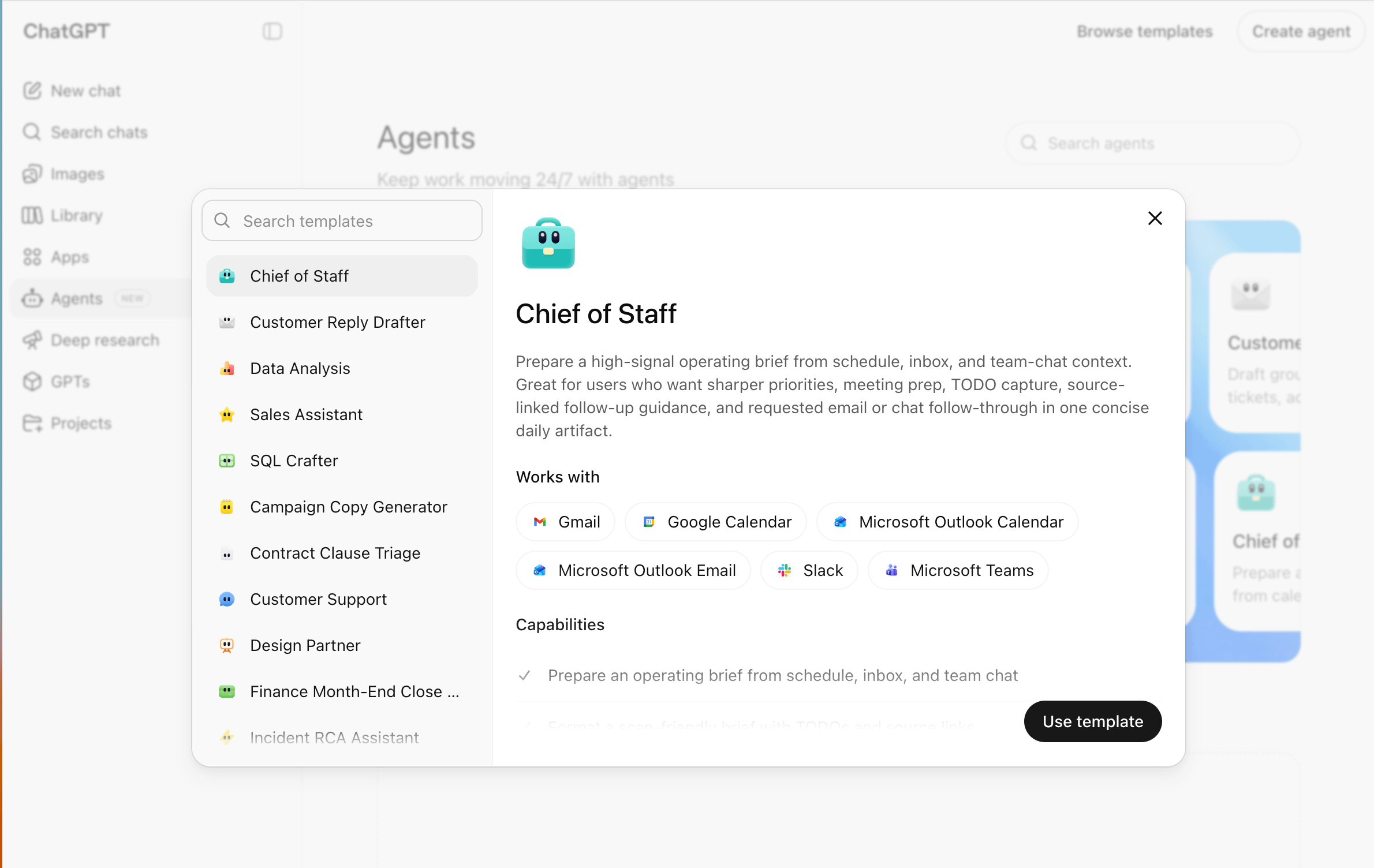
Create an Agent from a template
Create your own Chief of Staff agent right in ChatGPT with templates. Just choose Agents on the left of your ChatGPT screen, browse, and explore some of the options. Let us know what you’re building!

Prompt to Prompt
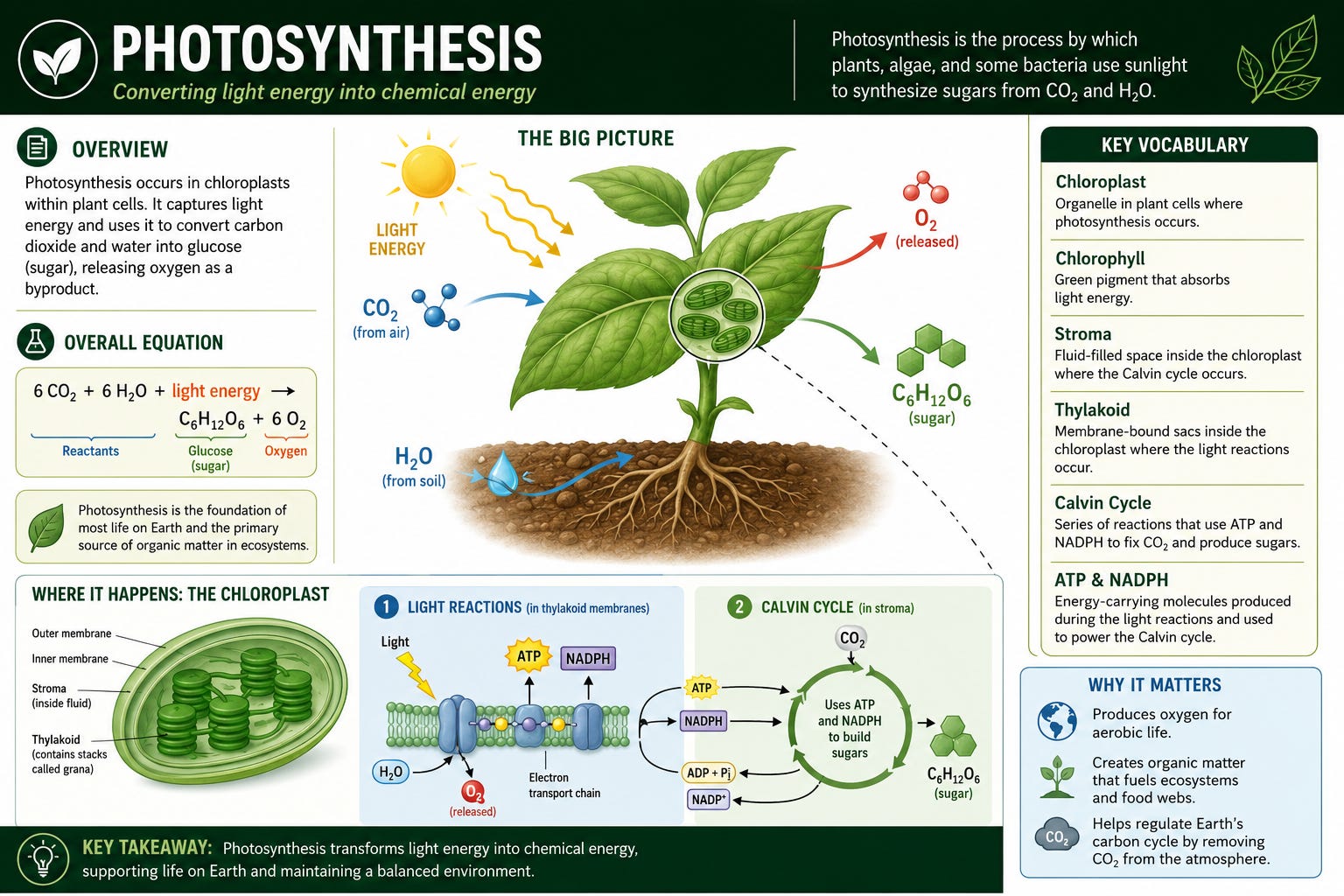
Turn a concept into an infographic
Use ChatGPT to turn a concept for your class into a full-blown visual. Swap in your own concept, or try the photosynthesis example below.
Prompt to try in ChatGPT:
Create a professional educational infographic explaining photosynthesis for first-year college students.
Include labeled diagrams, key vocabulary, visual callouts, a clean academic design, and a color palette appropriate for science education.
Make it suitable for a lecture slide.
Codex Summer Challenge
Create a lesson package
Here’s a Codex idea for you to try before the next school year: build a customized lesson package for a specific grade level, subject, and topic, tailored for your class.
You can copy the whole prompt or start with a simpler one. Either way, Codex will walk you through step by step, and you can shape it after the first output by giving more instructions.
Prompt to try in Codex:
Hi Codex. I’m a teacher trying Codex for the first time. Help me create a complete lesson package.
Ask me one question at a time, and wait for my answer before asking the next one. Ask no more than 8 questions unless truly needed. Ask only what you need: what my students call me, grade/course, topic, class length, objective, student context, materials, differentiation needs, and visual style.
For visual style, offer a few options for the HTML page and optional LinkedIn card, then let me answer in my own words. Example styles: clean classroom, classic academic, hip modern, steampunk, subject-themed, or something else I describe.
One question should ask whether I want to use any external docs, files, or connectors, such as standards, slides, Google Drive, or an existing worksheet. Do not require them; continue without them if I say no.

Then create two files:
- `lesson-package/index.html`: a beautiful browser page with copy buttons
- `lesson-package/lesson-package-google-doc.docx`: a real Google Docs-ready DOCX file I can upload/open directly, without a connector

Both files should include:
- A teacher lesson plan with timing
- A lecture hook
- Entry and exit tickets
- One interactive activity
- A student handout
- Homework
- An advanced extension
- A LinkedIn-ready teacher reflection with 3 hashtags

Before finishing, check timing, alignment, accessibility, and whether the exit ticket measures the objective. Give me both local paths and open the HTML if possible.
After both files are complete, ask whether I want a unique 16:9 LinkedIn image. If yes, create `lesson-package/linkedin-summary-card.png` with specific details from my lesson package and the hashtag `#createdwithcodex`.
Inside Track
Make progress on a task you’re stuck on
Having trouble starting something that’s hard or that you’ve been putting off a little too long? Let ChatGPT help you make some quick progress.
Prompt to try in ChatGPT:
I have 20 minutes. Help me make progress on [task].
Give me the smallest useful next step and a quick draft I can improve.
Around the World

Armenia joins OpenAI Education for Countries
Armenia took a major step toward AI-native education and innovation. OpenAI Education is supporting a new collaboration with Armenia’s Ministry of Education, Science, Culture and Sport and Firebird to expand access to ChatGPT Edu and Codex for 50,000 students, teachers, and researchers, alongside faculty training programs and research.
The work is designed to help Armenia’s universities, educators, founders, engineers, and researchers build the skills and practical experience needed to shape what comes next. It also reflects the next phase of AI in education: pairing tools with training, research, local priorities, and responsible deployment so more people can learn, build, and compete globally.

Learning with OpenAI
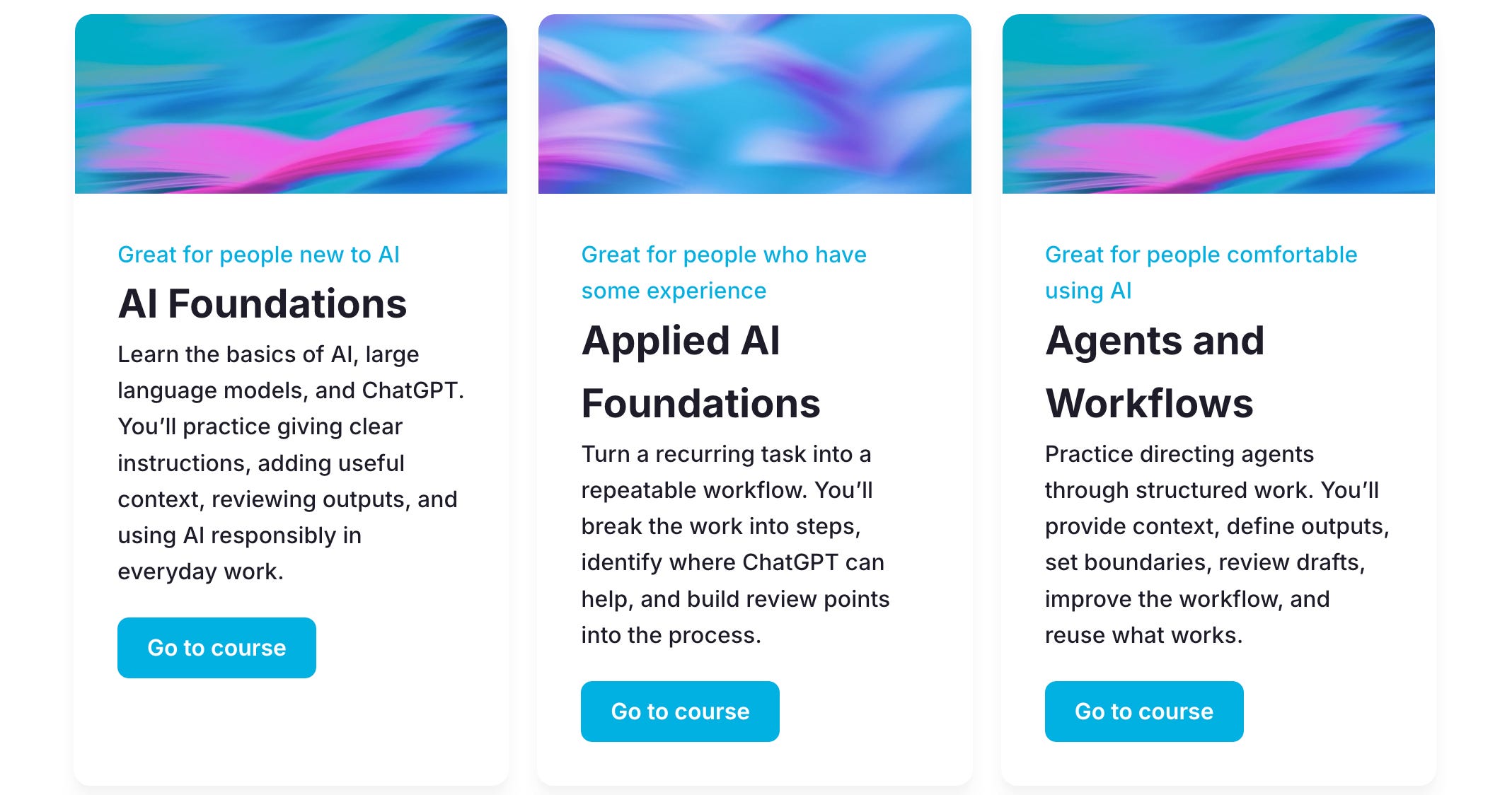
OpenAI Academy launches three new courses
OpenAI Academy just launched three new courses to help learners build practical AI skills. It’s a useful resource for educators, students, and campus teams looking for structured learning they can try at their own pace.
AI Foundations
Applied AI Foundations
Agents and Workflows
Explore the new courses on OpenAI Academy

Have a story idea?
We’d love to hear how you’re using AI in your classroom, campus, research, or learning community. Send us the story, project, prompt, or question you think other educators should see.
My favorite part is "ask me one question at a time", that changes the whole output.
I also have skills interview the same way before building.